
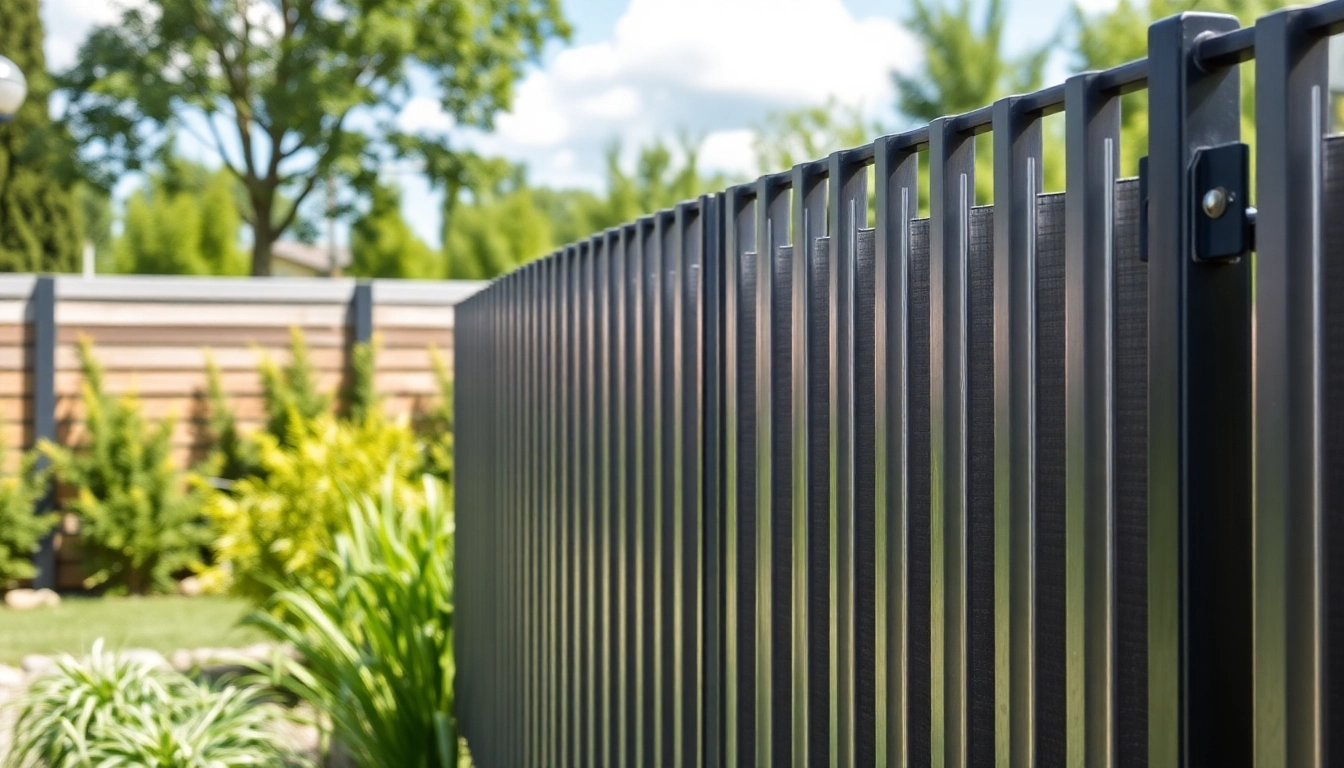
Understanding Metal Fence Panels
When it comes to choosing a fencing solution for your property, metal fence panels are an increasingly popular choice. They provide a robust, durable barrier with a sleek look. For anyone considering this option, it’s essential to explore all aspects, including types, benefits over wooden fencing, and customization options. To learn more about quality options, visit www.metalfencepanels.co.uk.
Types of Metal Fence Panels
Understanding the various types of metal fence panels can help you make an informed decision. Here are some common types:
- Chain Link Fencing: Made of steel wire woven together, chain link fences are a cost-effective option for security and visibility.
- Wrought Iron Fencing: Known for its strength and ornamental designs, wrought iron offers an attractive, durable choice often found in residential areas.
- Aluminum Fencing: Lightweight yet robust, aluminum fences are resistant to corrosion, making them suitable for coastal regions.
- Steel Panel Fencing: Often utilized in commercial sites or for agricultural purposes, steel panels provide security and durability.
- Metal Welded Wire Fencing: This type consists of welded wire strands, offering visibility and minimal maintenance.
Benefits of Metal Over Wood Fencing
While wood fencing is traditionally prevalent, metal offerings present numerous advantages:
- Durability: Metal fences resist rotting and pest damage, significantly outperforming wood.
- Low Maintenance: They require minimal upkeep compared to wood which may need staining or painting.
- Weather Resistance: Metal is impervious to extreme weather conditions, making it a reliable option.
- Security: The rigidity of metal provides enhanced security over wooden options, deterring potential intruders.
- Environmentally Friendly: Steel and aluminum can be recycled, making them a sustainable choice.
Design Options and Customization
Customization is another significant advantage of metal fencing. You can choose from various heights, colors, and finishes to fit your aesthetic needs. Popular options include:
- Powder Coating: Available in several colors, this finish helps protect against scratches and corrosion.
- Ornamental Designs: Add artistic elements with scrolls or spikes that enhance visual appeal.
- Height Variations: Metal panels can be customized in heights from 3 to 8 feet based on your privacy and security needs.
Installation Tips for Metal Fence Panels
Preparing Your Site
Proper site preparation is critical for a successful installation. Follow these steps:
- Determine the fence layout and mark the location for posts.
- Check local regulations and property lines to ensure compliance.
- Clear the area of vegetation, rocks, and debris to allow for smooth installation.
Step-by-Step Installation Guide
Installing metal fence panels can be straightforward when following a systematic approach:
- Dig post holes according to the marked layout, typically 2 feet deep.
- Set the posts in place, ensuring they are vertical using a level.
- Backfill the holes with concrete to secure the posts.
- Once the posts are set, attach the fence panels starting from one side.
- Ensure panels are level and secure; use clamps to hold in place while fastening.
- Finish by adding any top caps or additional features like gates.
Tools and Materials Needed
Collecting the right tools and materials before starting can streamline the installation process:
- Tools: Post hole digger, level, measuring tape, drill, and saw.
- Materials: Metal fence panels, posts, concrete mix, screws, and necessary brackets.
Maintenance of Metal Fence Panels
Cleaning and Inspections
To maintain the integrity and appearance of metal fencing, regular cleaning and inspections are vital:
- Wipe down panels periodically with soapy water and a soft cloth.
- Inspect for rust or damage at least twice a year.
- Ensure that any vegetation does not contact the panels to prevent corrosion.
Common Issues and Solutions
Addressing common issues can extend the life of your metal fence:
- Rust: Treat rust on steel with anti-rust products, and repaint as necessary.
- Loose Panels: Tighten screws and check brackets for stability.
- Corrosion: Regular inspections can help catch corrosion early; use protective coatings.
Protecting Against Corrosion
Corrosion is a common concern for metal fencing. Here are several strategies to mitigate this:
- Choose galvanized or powder-coated metals designed to resist rust.
- Apply a sealant regularly to create a protective barrier.
- Ensure proper drainage around the fence to prevent moisture accumulation.
Cost Considerations for Metal Fencing
Initial Investment vs. Long-Term Savings
Metal fencing might require a more significant initial investment compared to wood, but the long-term savings can be substantial:
- Durability reduces the need for frequent replacements or repairs.
- Lower maintenance costs translate to savings over the fence’s lifespan.
- Insurance discounts for enhanced security can further offset costs.
Factors Affecting Pricing
Understanding what drives pricing in metal fencing can help you budget appropriately:
- Type of metal used can significantly influence the cost.
- Height and design complexity can raise or lower the total price.
- Installation costs will vary depending on your location and company rates.
Finding the Right Supplier
Connecting with the right supplier can ensure quality materials and fair pricing:
- Research local suppliers with strong reputations and customer reviews.
- Request quotes from multiple vendors to compare pricing.
- Ask about warranties and after-sales support.
FAQs About Metal Fence Panels
How long do metal fence panels last?
Metal fence panels can last 20 to 30 years with proper maintenance, making them a durable option.
Are metal fence panels rustproof?
Many metal panels are coated to resist rust; choose galvanized or powder-coated options for best protection.
What heights are available for metal fence panels?
Metal fence panels come in various heights, typically ranging from 3 to 8 feet, to suit different needs.
Can I paint metal fence panels?
Yes, you can paint metal panels; use appropriate primer and paint for best adhesion and durability.
How do I install metal fence panels?
Installation involves measuring the area, digging post holes, setting the posts, and attaching the panels.


